
Providence

Empowering Lives
Through Community Support

March 28, 2024 on Holy Thursday Pope Francis, while in his wheelchair, visited inmates at Rome Rabibbia Female Prison where he washed the feet of twelve female inmates  during the Holy Thursday mass of the Lord’s Last Supper

About Us

Providence Hope
and Recovery

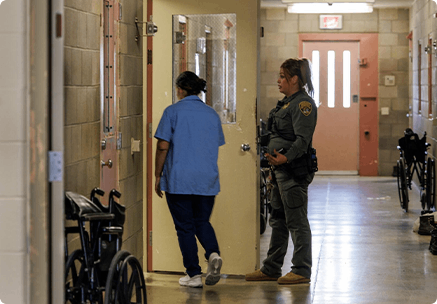
Incarcerated women in the United States face a unique set of challenges both during and after their incarceration. Upon release, many women confront barriers such as limited access to employment, housing, and healthcare, often leading them back into environments that perpetuate the cycle of addiction

Our Mission

To empower women transitioning from incarceration by providing holistic
support that fosters recovery, self-sufficiency, and reintegration into society.

Our Vision

A society where formerly incarcerated women have equal opportunities
to lead fulfilling lives, free from the cycles of addiction and incarceration.

Core Values

Empowerment

We believe in the inherent strength of every woman to overcome adversity

Compassion

Our approach is rooted in understanding, empathy, and respect.

Integrity

We uphold the highest standards of honesty and accountability.

Community

We foster a supportive environment that encourages connection & mutual aid
The Need for Support

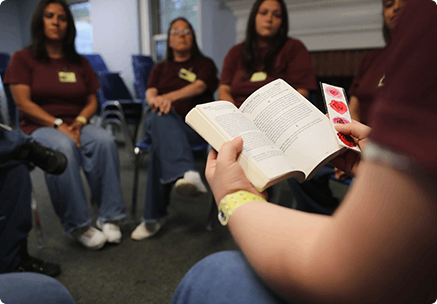
High Rates of Trauma

Approximately 70% of incarcerated women have experienced severe physical violence by a parental figure, and over 75% have suffered physical violence by an intimate partner in adulthood.

Substance Abuse

A significant number of women in prison suffer from substance abuse disorders, often linked to past trauma.

Mental Health Issues

Incarcerated women are more likely to have mental health disorders, which are frequently unaddressed during their time in prison.

Recidivism

Within five years of release, 55% of women who served time for a violent offense are arrested again, highlighting the need for effective reentry programs.

Our Approach

Providence Hope and Recovery offers a comprehensive program that addresses the unique needs of formerly incarcerated women. We recognize that the path to recovery looks different for everyone, which is why our services are trauma-informed, culturally responsive, and inclusive of women from all backgrounds, including LGBTQ+ individuals, who often face additional barriers to safety, acceptance, and care.

Our comprehensive program that addresses
the unique needs of formerly incarcerated women:

The Impact of Mentorship

Mentorship plays a critical role in the recovery and reintegration process:

Emotional Support:

Mentors provide understanding and compassion, helping mentees navigate the emotional challenges of recovery.

Accountability:

Regular check-ins with mentors help individuals stay committed to their recovery goals.

Community Building:

Mentorship fosters a sense of belonging and reduces feelings of isolation.

Skill Development:

Mentors assist in developing coping strategies and life skills essential for long-term success.

Why Providence Hope and Recovery Exists

Our job is to love others without stopping to inquire whether or not they are worthy.

In the U.S., over 198,000 women are currently incarcerated, a number that has grown by more than 585% since 1980. Around 80% of these women are mothers, and the vast majority have histories of trauma, addiction, or mental health issues. Upon release, many return to the same environments that led to their incarceration in the first place. Lacking stable housing, employment, or support, their chances of successful reentry are slim. The cycle continues. According to the Bureau of Justice Statistics, 63% of formerly incarcerated women are rearrested within five years of release. A major factor is the absence of safe, structured transitional support designed for women. Providence Hope and Recovery exists to change that.

Get Involved

Your support can make a significant difference in the lives of formerly incarcerated women. Whether through volunteering, donations, or partnerships, there are many ways to contribute to our mission.

Volunteer:

Join our mentorship program or assist with life skills training workshops.

Donate:

Your financial contributions help us provide housing, counseling, and other essential services.

Partner

Collaborate with us to offer employment opportunities,